Guides
Phoenix self-storage and climate-controlled demand in extreme heat
Phoenix summer heat pushes renters toward climate-controlled self-storage units, so operators publish a temperature range and build for the desert.
What to take away
- Climate-controlled units hold occupancy through a Phoenix summer while drive-up units slow, so the rate spread between the two carries the property.
- No federal or Arizona rule sets a storage temperature. Operators pick a range, publish it in the lease, and log readings against it.
- Keep climate-controlled units at 75 to 80 F and 45 to 55 percent relative humidity. That Phoenix self-storage range answers the heat and demand question, and it is a market convention, not a code.
- The roof and the west wall do more cooling work than the HVAC tonnage does. Reflective coating and above-deck insulation cut peak load first.
- OSHA heat guidance covers technicians, grounds crews and anyone turning a unit in a metal building, not just outdoor work.
- Summer is climate-control leasing season. Winter is standard drive-up season, when relocations from colder states arrive.
Why Phoenix heat changes what tenants will rent
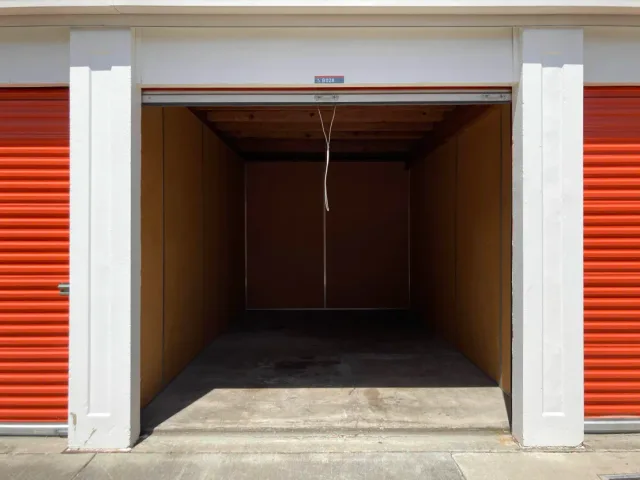
Afternoon temperatures here pass 105 F from June through September, and July overnight lows often stay above 85. A metal drive-up unit in direct sun gets hotter than the air around it. Whatever is inside cooks.
That reshapes the rental conversation. Electronics, leather, instruments and photographs degrade in a hot, dry unit. Mattresses degrade too. Tenants arriving from milder markets learn it their first summer.
Self storage grew out of that mismatch between what people own and where they can keep it, as the history of the industry shows. Climate control became a standard product type because operators answered local climate problems.
Demand also follows the metro. Suburban growth in the West Valley and along the Loop 101 and Loop 202 corridors keeps adding households that need space during a move, a remodel or a downsize.
Investors reading commercial real estate research should note that Phoenix absorption tracks housing turnover, not just population. When resale activity slows, move-in volume softens even in a growing metro.
Before assuming Phoenix premiums match other Sun Belt metros, study the markets for a self-storage business. The heat profile here is harsher, which supports a wider spread between standard and climate-controlled rates.
Typical advertised street rates in metro Phoenix run near $110 to $160 a month for a standard 10 by 10 and near $165 to $240 for a climate-controlled 10 by 10. That is a spread of roughly 35 to 50 percent. Submarket, unit mix, promotions and season set the exact figure.
Temperature and humidity standards for climate-controlled units
No federal rule sets a number for climate-controlled storage. Operators set their own targets and the market judges them.
| Condition | Typical operating target | Daily swing | Why it matters in Phoenix |
|---|
Climate vs Standard Unit Conditions
Climate-Controlled
- Temperature
- 75-80 F
- Humidity
- 45-55%
- Daily swing
- Under 5 F
- Air movement
- Continuous circulation
- Monitoring
- Logged readings
Standard Non-Climate
- Temperature
- Peaks near 130 F
- Humidity
- Desert dry, monsoon spikes
- Daily swing
- Wide swings
- Air movement
- None
- Monitoring
- None
The targets above are typical operator ranges, not code requirements.
Temperature and humidity are a contract issue as much as an engineering one. A lease promising "climate controlled" without a stated range invites disputes. Publishing the range in the lease and on the website ends most of them.
Arizona's self-service storage statutes sit in A.R.S. Title 33, Chapter 6 and cover rental agreements, liens and sale notices. They set no temperature or humidity figure, so the lease carries the promise.
Humidity gets less attention than it deserves in a desert market. Monsoon season from roughly July into September pushes moisture into the air, and a unit that runs cool without dehumidification condenses water on cold surfaces.
A worked example: a 10 by 10 climate-controlled unit held at 78 F and 50 percent relative humidity carries a leather sofa and a box of family photographs through a Phoenix summer. The same goods in a non-climate unit peaking near 130 F show cracking, warping and fading within one season.
Separate true climate control from simple air conditioning. Cooling without humidity control is a different product, and the pricing and profit guide treats that distinction as a rate-setting decision rather than a maintenance detail.
Building envelope and insulation choices for desert heat
The envelope does most of the work in Phoenix. Equipment sized for a mild climate runs constantly and still misses its target when the roof deck radiates heat into the space below.
Start with the roof. A reflective coating cuts solar gain more cheaply than adding tonnage. Insulation above the deck, not just between joists, holds the interior surface closer to the air temperature.
West and south walls take the hardest afternoon sun. Extra insulation there, plus shading from an adjacent structure or canopy, trims peak load during the hours the system is already strained.
Doors matter more than operators expect. Every roll-up opening lets humid outside air in. Vestibules, fast-closing doors and interior corridors limit that exchange and protect the humidity target.
Vapor control is the desert-specific piece. Contractors sometimes skip barriers in a dry climate, then find condensation when a monsoon lifts dew points. A continuous air barrier and sealed penetrations keep the envelope predictable.
Size mechanical systems for peak conditions, not average ones. A design day near 115 F plus a coil-cleaning contract keeps the system inside its rated capacity. Dust is constant here, and dirty coils cut capacity quietly.
Treat envelope quality as part of the site decision. The site selection and location guide covers how parcel orientation, shading and existing structures change cooling load before ground is broken.
OSHA heat guidance for staff working outdoors and in units
OSHA heat guidance covers indoor and outdoor heat, and it applies to storage work in Phoenix for most of the year. Read it as an operating requirement, not a summer suggestion.
OSHA cites the General Duty Clause, Section 5(a)(1) of the Occupational Safety and Health Act for heat hazards. Its Technical Manual, Section III, Chapter 4 covers heat stress measurement and control.
At-risk staff include maintenance technicians, grounds crews, leasing agents walking the property, and anyone turning a unit in a non-climate building. Interior temperatures in a metal building can exceed outdoor readings.
- Water within a short walk of every work area
- Shade or a cooled break area open at all times
- Acclimatization plan for new hires and returning workers
- Buddy system for unit turns and roof work
- Written schedule for the hottest hours
- Heat illness symptoms posted in the office and break room
- Incident log reviewed after every heat-related near miss
OSHA general industry standards reach storage operations through walking-working surfaces and hazardous materials rules. Ladders, mezzanines, loading areas and chemical storage all fall under requirements that heat makes harder to meet. Confirm your own obligations with a qualified safety consultant or your local OSHA area office.
Scheduling is the cheapest control. Moving unit turns, painting and roof inspections to early morning removes most of the exposure without buying equipment.
Acclimatization is the control operators skip most. A new hire starting in June cannot work at the pace of a technician who has been on site since March.
Documentation protects the business. A written heat plan, training records and a posted symptom chart show good faith if an inspector or a workers' compensation claim arrives.
Marketing climate-controlled units to Phoenix renters
Lead with the consequence, not the feature. "Climate controlled" means little to a renter who has never lost a sofa to heat. "Your furniture will not crack" means something.
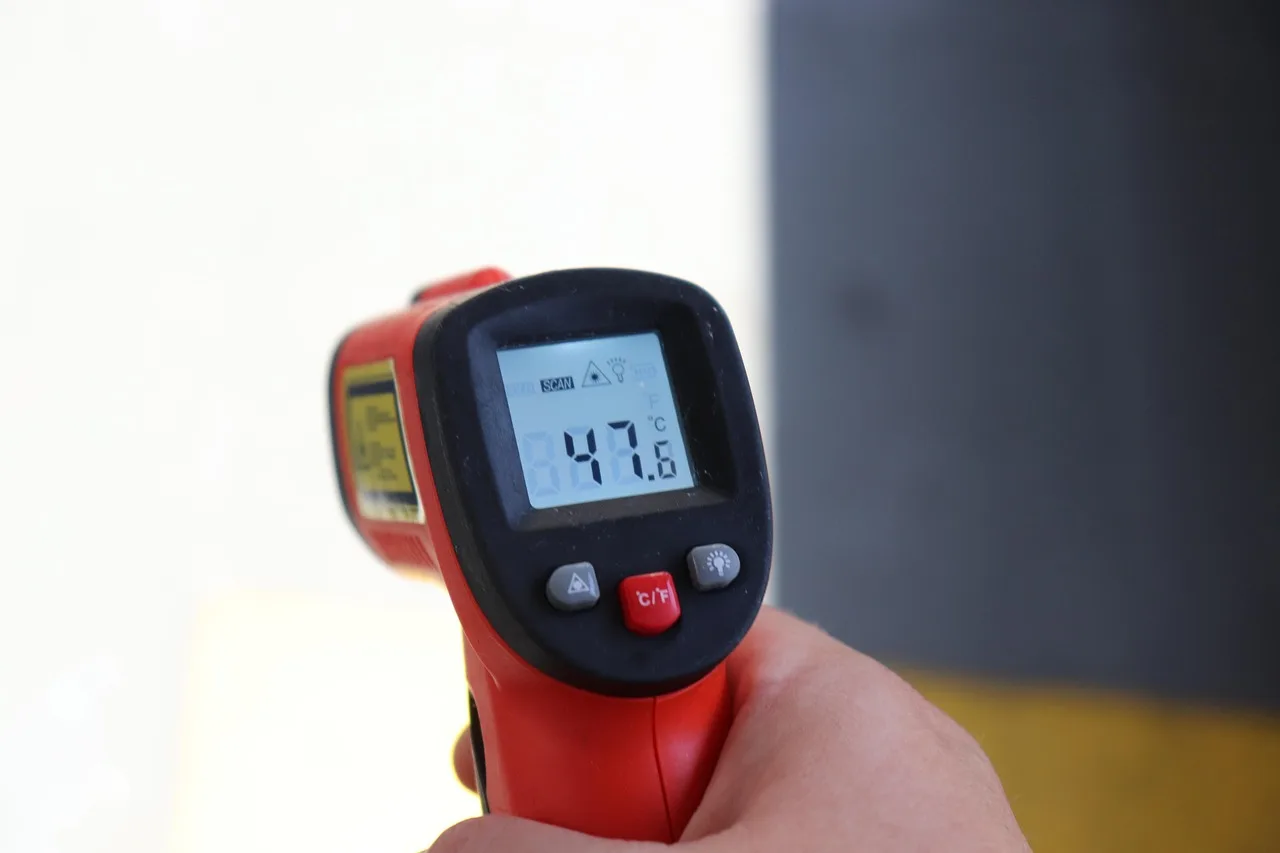
Photographs do heavy lifting. A thermometer reading in a standard unit beside one in a climate-controlled unit communicates the difference faster than any paragraph of copy.
Segment by tenant type. Households moving within the metro care about furniture and mattresses. Snowbirds and part-year residents care about leaving a furnished home through summer. Small businesses care about inventory, paper records and electronics.
Make pricing visible and tiered. A renter comparing a standard 10 by 10 with a climate-controlled 10 by 10 accepts a premium when the reason is stated plainly and the range is published.
Reviews carry weight in a market with many operators. Watching ratings and answering complaints about temperature or billing protects the premium you charge.
Operators tracking broad demand signals should read how to start self-storage business planning for storage. National shifts in household and small business formation show up in Phoenix leasing within a few quarters.
Seasonal demand patterns across the Phoenix metro
Phoenix has two demand peaks pulling in different directions. Summer drives climate-controlled leasing. Winter drives overall move-in volume.
Between June and September, renters who are moving, downsizing or clearing a garage choose climate control at higher rates, and non-climate units sit longer.
Winter brings the relocation wave. Retirees and part-year residents arrive from colder states, and new leases rise across all unit types. Standard drive-up units do their best business then.
Submarkets split further. Central Phoenix and Tempe draw students and renters into smaller units. Chandler, Gilbert, Goodyear and Surprise draw families who want larger climate-controlled units and often rent for longer terms.
Plan occupancy around that split. Hold climate-controlled inventory for summer pricing power, and use winter promotions on standard units to fill space that would otherwise sit through spring.
Investors comparing Arizona with other Sun Belt states should judge the locations for self-storage they are considering against one consistent method.
Common questions
Does Phoenix self-storage really need climate control?
For anything heat-sensitive, yes. Summer interior temperatures in a non-climate metal unit can pass 120 F, which damages electronics, wood, leather and photographs. Drive-up units still rent here, just to tenants storing tools, patio furniture and other goods that tolerate the swing.
What temperature should a climate-controlled unit be kept at in Phoenix?
Most operators target 75 to 80 F year round, with relative humidity near 45 to 55 percent and a small daily swing. Those are market conventions, not a code. Set your own range, log readings against it, and put the number in the lease.
Is there a legal standard for climate-controlled storage?
No federal or Arizona rule sets a storage temperature or humidity number. Operators define their own range, and a lease that promises climate control without stating one invites a dispute. Have a licensed Arizona attorney review the lease language before you rely on it.
When is demand highest for climate-controlled units in Phoenix?
Summer, roughly June through September, when heat-sensitive renters are moving. Winter brings the highest overall move-in volume, concentrated in standard drive-up units. Price the two product types on separate calendars rather than one annual average.