Guides
Climate Controlled vs Non Climate Controlled Self Storage: Which Unit Wins?
Climate controlled vs non climate storage comes down to humidity, heat swings and rent. Here is what each unit protects and what the premium buys.
What to take away
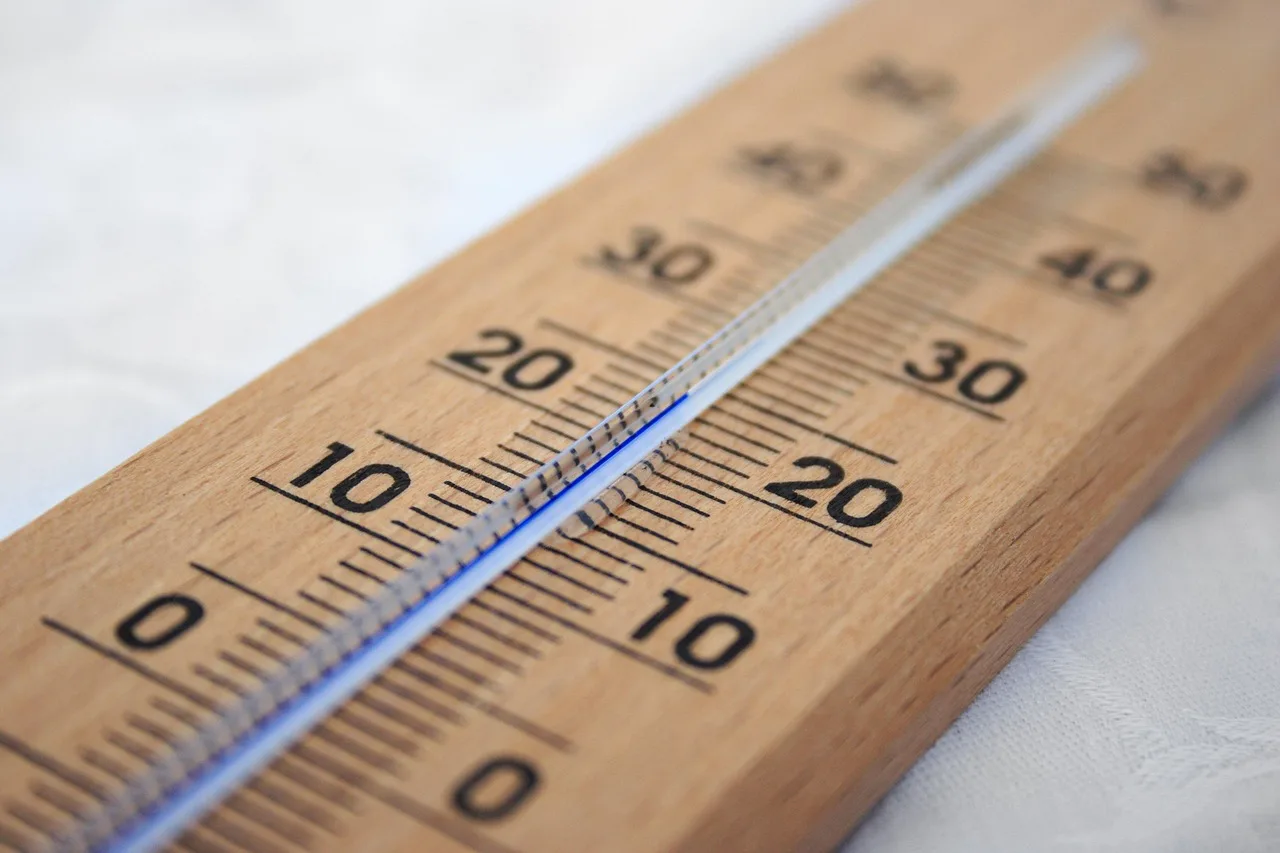
- Climate control holds a unit near 55 to 80 degrees Fahrenheit and usually caps relative humidity near 55 percent. Non climate units track outdoor air.
- The rent premium in US facilities commonly runs 20 to 40 percent over a standard unit, or roughly $0.20 to $0.60 more per square foot per month. Treat those as illustrative ranges, not a national survey.
- Electronics, wood furniture, leather, documents, musical instruments and anything with adhesive or photographs belong in climate control in humid or desert markets.
- Metal tools, plastic totes, lawn equipment, bikes and sealed hard goods survive a standard drive-up unit in most markets.
- Neither option stops theft, water intrusion from a failed roof, or pests. Those are building problems, not climate problems.
What is being compared
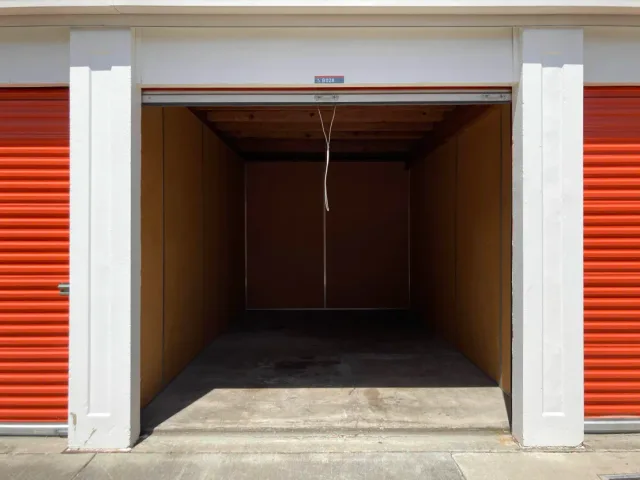
Two products sit behind the same roll-up door. A standard unit is a steel box with a vent, and its interior air matches the weather outside within a day or two. A climate controlled unit adds insulation, a sealed envelope and either a heat pump or an air handler that runs year round.
Operators sell the second one as protection. The physical difference is real, and so is the cost of running it. A typical system draws power every month of the year, which is why the rent gap does not close when the weather is mild.
The comparison matters most in three US regions where the outdoor air is hostile in different ways: the humid Southeast, the freeze-thaw Midwest, and the arid Southwest.
The criteria that matter
Climate controlled
- Temperature range
- Held near 55 to 80 F year round
- Relative humidity
- Usually capped near 55 percent
- Typical rent premium
- 20 to 40 percent over standard
- Illustrative cost per square foot
- About $1.20 to $2.20 monthly
- Best for
- Wood, fabric, electronics, paper, instruments
- Power dependency
- Unit fails if the system fails
Non climate controlled
- Temperature range
- Follows outdoor air, can swing 40 F in a day
- Relative humidity
- Matches local humidity, often 70 to 90 percent in the Southeast
- Typical rent premium
- Baseline rate
- Illustrative cost per square foot
- About $0.70 to $1.40 monthly
- Best for
- Metal, plastic, vehicles, tools, sealed goods
- Power dependency
- No system to fail
Rates vary by metro, unit size and occupancy. Small 5x5 units carry the highest per-square-foot price in both categories, so compare like sizes before you decide.
Option by option
Climate controlled. The envelope stays sealed, so dust and pollen load drops and condensation on cold metal is largely eliminated. In Miami or Atlanta, where summer dew points sit in the 70s, that matters for anything with a wood frame or a circuit board. Operators in those markets often report that climate units lease first in peak season, which is a demand signal worth reading alongside the Phoenix self-storage and climate-controlled demand in extreme heat notes from a drier market.
Non climate controlled. Drive-up access, lower rent, no dependence on a compressor. In Phoenix, a non climate unit can hit 120 F inside during July, which is hard on vinyl, adhesives and electronics but harmless to a steel toolbox. In Minneapolis, the risk is the freeze-thaw cycle, not heat.
- Walk the unit at midday and note the interior temperature if the door has been open.
- Ask the manager what the humidity setpoint is, not whether the building has air conditioning.
- Read the rental agreement for what the operator excludes, since most limit liability for stored goods under standard contract principles described by Cornell Law's contract overview.
- Confirm whether the climate system has a backup or alarm, because a silent failure in August is the failure mode that ruins a summer.
Example: a two-bedroom household in three markets
Take the same load: a sofa, two mattresses, a desktop computer and cardboard file boxes. Add a bicycle and a grill. In Tampa, the mattresses and boxes are the risk, so climate control is the defensible choice.
In Chicago, that load can take a standard unit if the move is under a year and boxes are plastic. In Tucson, the computer and grill split the decision, and the grill wins the argument for a cheap drive-up unit.
The $50 Monthly Gap
- $16010x10 climate unit monthly
- $11010x10 standard unit monthly
- $50Monthly premium
- $600Annual protection cost
A 10x10 climate unit at $1.60 per square foot runs about $160 a month. The standard version at $1.10 runs about $110. That $50 gap is the whole question, and it buys roughly $600 a year of protection against a loss that may never happen.
Where each one wins
Climate control wins when the stored value exceeds about two years of premium, when the lease runs past one summer, or when the goods are irreplaceable paper and photographs. It also wins for businesses storing inventory that must arrive clean, which is a common pattern among operators who track self-storage quality assurance for owners as a leasing metric.
Standard units win for short leases, for metal and plastic, for vehicles, and for tenants in mild coastal markets such as San Diego or Seattle where outdoor humidity rarely spikes. They also win for anyone whose budget cannot absorb the premium, because a defaulted climate unit protects nothing.
What none of them solve
Both options sit inside the same building, so both inherit the same roof, the same drainage and the same gate. A failed roof membrane soaks a climate controlled unit as readily as a standard one, and a sealed envelope can hold moisture in if the system stops.
Neither option stops a determined thief, and neither covers your goods. Tenant insurance or a protection plan is a separate purchase, and the distinction between a facility's coverage and a renter's policy is worth understanding before you sign, as covered in does renters insurance cover self storage units.
Facility safety rules apply to both unit types equally. Operators should treat the OSHA standards for walking surfaces and exit routes as baseline conditions, and the OSHA walking-working surfaces standard is the starting point for aisle and floor conditions in either building.