Guides
Canadian snowbirds and self-storage demand in Arizona and Florida
Canadian snowbirds fill Arizona and Florida self-storage units from October to April, and how you bill and lease to them decides the season.
What to take away
- Canadian visitors are admitted as B-2 visitors for up to six months per entry, and that window sets the length of a typical snowbird rental.
- Demand climbs from October, peaks January through March, and empties by May, so the last 20 to 30 percent of a facility fills and drains on a fixed calendar.
- A tenant with a Canadian bank account, card and mailing address is not a standard customer; the lease has to state the currency and who carries the exchange risk.
- Drive-up, ground-floor, climate-controlled 5x10 and 10x10 units carry the segment. Upper-floor interior rooms sit empty through the season.
- Referral credit inside snowbird communities outperforms broad local advertising, and bookings are made in September and October before anyone drives south.
Who the snowbird tenant is
Canadian snowbirds are seasonal residents who leave the provinces for warmer winters and return home in spring. Most are retirees from Ontario, Quebec, Alberta and British Columbia.
The storage need is narrow. A couple drives south with a car full of belongings, rents a park model or condo, and needs somewhere for the overflow. Some store furniture between seasons rather than haul it south and back every year.
Arizona draws them into the Phoenix metro, Mesa, Apache Junction, Sun City and Yuma. Florida draws them into several areas:
- Tampa
- Bradenton
- Sarasota
- Naples
- Fort Myers
- Lakeland
- the Panhandle Both states hold dense clusters of RV resorts and 55-plus communities within a few miles of self storage.
Self storage grew out of exactly this kind of mobile, transitional demand, and the history of the model still shapes how operators write short leases and month-to-month pricing.
Local demand in these corridors is steady. Snowbird demand is a wave on top of it, and that wave is what fills the last of a facility in January.
The six-month admission and what it does to your lease terms
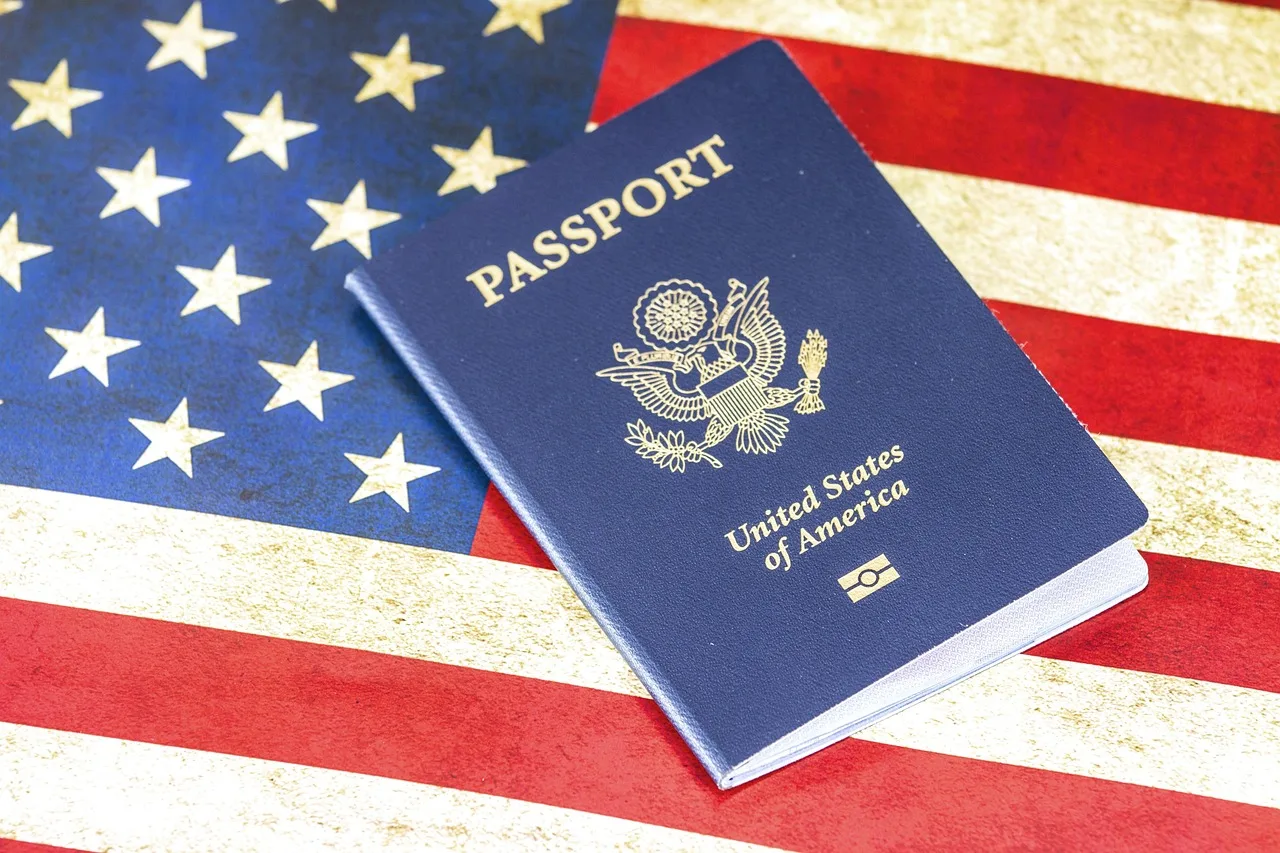
Canadian citizens do not need a visa to enter as visitors. They are admitted as B-2 visitors, standard admission up to six months per entry, and that single rule drives most snowbird storage leases.
Six-Month Admission and Lease Calendar
- NovemberTenant arrives, unit rented
- AprilTenant flies home, lease ends
- Six-month markFlag account, confirm tenant in country
- Longer stayExtension or re-entry required
A tenant who arrives in November and leaves in April fits inside one admission. Anyone staying longer must apply for an extension or leave and re-enter. You do not enforce immigration rules, but your leasing calendar should match the one your tenants live by.
Practical points for leasing staff:
- Ask for an expected departure month at move-in, not just a start date.
- Offer a six-month term that ends when the tenant flies home, with month-to-month after that.
- Accept a passport and Canadian driver's license as the normal ID documents.
- Never promise a tenant can stay past six months on the same entry.
- Flag accounts that cross the six-month mark so the office can confirm the tenant is still in the country.
A Canadian who spends too many days in the United States in a calendar year can create tax residency questions. That is the tenant's problem, not yours, but it explains why some snowbirds shorten a stay and empty a unit earlier than planned.
Screening still follows American law. Tenant selection and advertising must comply with the Fair Housing Act, which applies regardless of where a customer was born.
Billing a tenant whose money is in Canadian dollars
Money is where snowbird rentals break down. A tenant with a Canadian bank account, a Canadian credit card and a Canadian mailing address does not behave like a domestic customer.
Three Cross-Border Billing Approaches
Bill in U.S. dollars
- How it works
- Card, bank converts
- Currency risk
- Tenant carries
- Predictability
- Simple for you
Bill in Canadian dollars
- How it works
- Fixed CAD rate quoted
- Currency risk
- You carry
- Predictability
- Predictable for tenant
U.S. dollars with CAD estimate
- How it works
- Lease shows both figures
- Currency risk
- Moves with rate
- Predictability
- Clear but variable
Many snowbirds expect a Canadian dollar rate. They want a figure they can compare with rent at home, without a currency swing landing mid-stay.
How it works
- Bill in U.S. dollars
- Tenant pays by card, bank converts
- Bill in Canadian dollars at a fixed rate
- You quote a CAD rate for the season
- Bill in U.S. dollars with a CAD estimate on the lease
- Lease shows both figures
Trade-off
- Bill in U.S. dollars
- Simplest for you, currency risk sits with tenant
- Bill in Canadian dollars at a fixed rate
- Predictable for tenant, you carry the exchange risk
- Bill in U.S. dollars with a CAD estimate on the lease
- Clear, but the CAD number moves if the rate moves
Cross-border billing also means card processing. Many Canadian cards charge foreign transaction fees on U.S. charges, and some tenants will ask to pay by Interac e-Transfer or a Canadian bill payment service. If you cannot accept those, say so before move-in.
Autopay is the best defense against late winter payments. A tenant who returns to Ontario in April may forget a May invoice. Set autopay at move-in, keep a card on file, and send a plain notice before any rate change.
A short lease that states the currency, the exchange method and the late fee removes most disputes. Your pricing and profit guide already covers how seasonal rates and discounts land on your margins.
The winter occupancy curve, and the summer hole it leaves
Demand climbs from October, peaks January through March, and falls through April and May. Arizona facilities near the RV resorts in Mesa, Apache Junction and Yuma often run near full in February. Naples, Fort Myers and Tampa Bay follow the same curve with a slightly earlier start, because some snowbirds arrive for the holidays.
Winter Occupancy Curve and Summer Hole
- October | demand climbs
- January-March | peak, near full
- April-May | falls
- March-June | summer drop
Summer runs the other way. Year-round residents still rent, but the snowbird block empties and occupancy can drop hard between March and June. Operators who price only for peak season lose the summer.
Three habits help:
- Track move-ins by tenant ZIP or postal code so you can see the Canadian share of your rent roll.
- Hold a block of units for short-term seasonal leases instead of signing them to annual tenants in the fall.
- Offer a summer rate to snowbirds who keep a unit year-round for furniture.
Watch the wider market too. Storage is commercial real estate, and financing, cap rates and new supply in Sun Belt metros move with it. The commercial property outlook is worth reading before you add buildings to capture seasonal demand.
New supply is the real risk. If three facilities open in the same Yuma or Fort Myers corridor, the winter wave no longer fills everyone. Review our self-storage equipment roundup before you assume next season looks like last season.
Unit types snowbirds rent, and the ones they skip
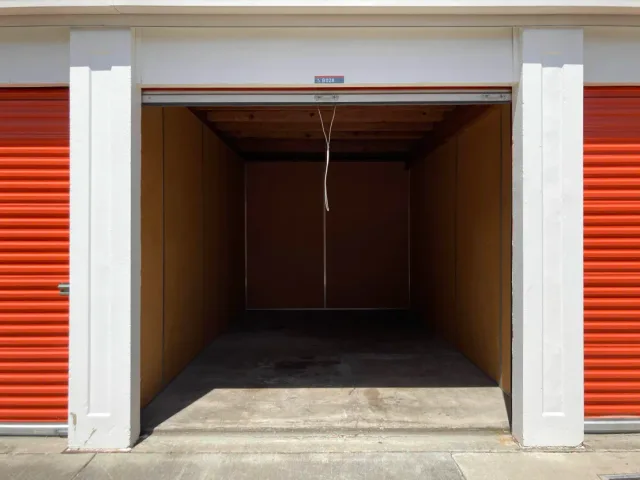
Drive-up, ground-floor units win. A tenant in a pickup or SUV wants to pull up, open the door and unload without stairs, an elevator or a long hallway. Upper-floor interior units sit empty while drive-up units carry a waitlist.
Climate control sells in both states for different reasons. Arizona heat bakes furniture, electronics and anything with adhesive. Florida humidity breeds mildew in mattresses, books and leather. Anyone storing goods through a summer will pay for it.
Size demand clusters at 5x10 and 10x10. A 5x10 holds the overflow from a park model: boxes, bikes, a small freezer, seasonal clothing. A 10x10 holds furniture from a condo that is rented out in summer. A few tenants want 10x20 or larger for a vehicle, a boat or a full household. Those are the exception, not the core.
Access hours matter more than most operators expect. Snowbirds arrive late after long drives and leave early. A gate that closes at 6 p.m. costs rentals. Well-lit drive aisles and wide turns help older drivers and reduce damage claims.
Keep your unit mix aligned with what actually rents. The markets for a self-storage business analysis applies here: a facility built for urban apartment dwellers will underperform in a snowbird corridor.
Marketing to Canadian seasonal residents
You are reaching people who live 1,500 miles away for most of the year and make their storage decision before they drive south. The season starts early. Snowbirds book park models and plan trips in summer and early fall, so ads run in September and October, not January.
Where the message lands:
- Canadian snowbird publications and association newsletters
- RV park and 55-plus community bulletin boards in Arizona and Florida
- Canadian expat groups for each snowbird corridor
- Referral credit for current tenants who bring in another Canadian couple
- A page on your own site that names the provinces you serve
Referrals do most of the work. Snowbird communities are tight, and one satisfied tenant from Ontario can send a dozen neighbors over three seasons. A credit on the next invoice is enough.
Be careful with wording. "Canadians welcome" is fine. Wording that implies you screen out other nationalities is not, and fair housing rules apply to every ad you run. The marketing and growth guide covers compliant promotion.
A worked example of the season
Take a 400-unit facility in Mesa. It rents 60 units to Canadian snowbirds from November to April at $110 per month, which is $39,600 for the season.
Mesa Facility Season Math
- 400units at the facility
- 60units rented to snowbirds
- $110monthly snowbird rate
- $39,600season revenue November-April
If half of those tenants stay year-round at a reduced summer rate of $70, the facility adds $12,600 across the off-season and keeps the units occupied.
That is the business case. Fill the winter wave, convert part of it into year-round revenue, and treat the Canadian segment as a distinct customer with its own calendar, currency and channels. For more on filling units, see how to win more self-storage customers.
Common questions
Do Canadian snowbirds need a visa to rent storage in Arizona or Florida?
No. Canadian citizens are admitted as visitors for up to six months per entry without a visa, and a storage rental is a normal commercial transaction. Ask for standard ID and do not go beyond it.
Should I bill snowbird tenants in Canadian dollars?
It is optional, but quoting a CAD figure helps conversion. If you bill in Canadian dollars, fix the exchange method in the lease and state who carries the currency risk.
When does snowbird storage demand peak?
Demand builds from October, peaks January through March, and falls through April and May. Plan staffing, unit holds and rate changes around that curve rather than the calendar year.
What unit sizes do snowbirds rent most?
Drive-up 5x10 and 10x10 units dominate. Climate control sells well in both states because of heat and humidity during the months tenants are away.