Guides
An honest review of self-storage equipment
Named self-storage equipment makers and access control suppliers, judged on spare parts availability, service radius, lead time and data portability.
What to take away
- Self-storage equipment comes from a short list of makers. Janus International, DBCI and Betco build doors. Chateau Products and Roll Up Door Parts sell latches, springs and rollers. PTI Security Systems, OpenTech Alliance, DoorKing and Linear supply access hardware.
- Judge each maker on spare parts availability, service radius, lead time and data portability, not on the quote's layout.
- Janus and Betco lead on door scale, but regional spares decide the single-site purchase.
- PTI and OpenTech publish platform integrations. DoorKing and Linear leave that link to you.
- Ask every candidate the same fifteen questions in writing, and keep the answers next to the quote.
- Buy one door and one keypad first, fit them on your own site, then order the rest.
The equipment behind the quote
Your contractor's quote names a door, a latch and a keypad. Those parts come from a handful of manufacturers. Knowing which one you are buying matters more than the quote's layout.
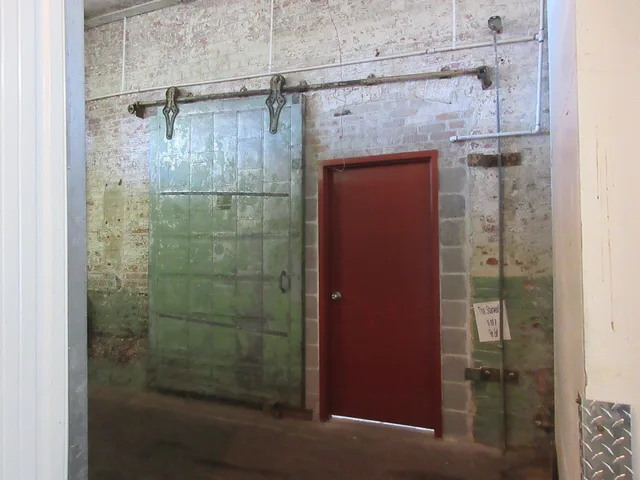
Janus International is the largest roll-up door supplier in the industry. It also makes hallway doors, interior partitions and the locking hardware that goes with them.
Its scale shows in lead times and in how quickly a distributor can get a replacement panel. Janus also owns Noke smart entry, which ties door hardware to an access platform.
DBCI makes roll-up and hallway doors for self-storage and sells through a distributor network. Betco is the third of the large door manufacturers and is common on new builds in the Southeast and Midwest.
Roll Up Door Parts and Chateau Products sit at the other end. They sell springs, rollers, latches and hasps rather than whole buildings. That is where a single-site operator spends money after year three. Both ship stock parts, often within days.
Access control and gate hardware
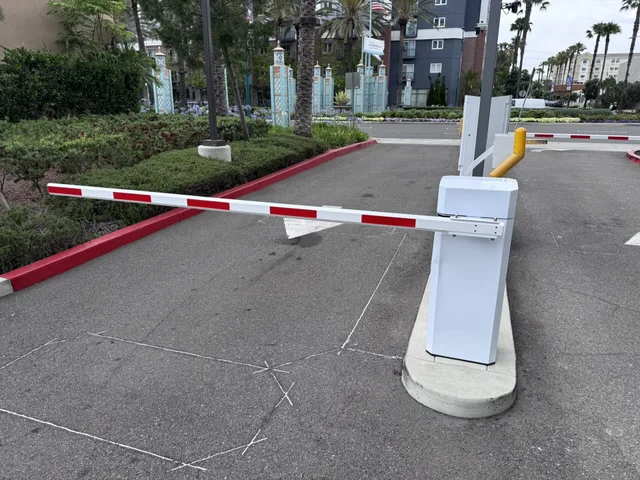
PTI Security Systems builds keypads, gate controllers and the software that ties them to a management platform. OpenTech Alliance sells the same category with a focus on remote management and call-center integration. OpenTech's INSOMNIAC kiosk is a known product in that line.
DoorKing is a long-established gate and access manufacturer used well outside self-storage. That breadth helps when you need a part on a Tuesday. Linear, now part of Nortek Control, supplies keypads and radio controls at a lower price point.
The dividing line is integration. PTI and OpenTech publish which management platforms they connect to and who supports the connection. DoorKing and Linear generally do not, so the integration becomes your problem. Data portability follows the same split.
What to ask each supplier
- What is in the quoted price, and what is billed separately? Freight, offloading, fasteners and trim are the usual gaps.
- What is the current lead time, and what is it in the busiest month?
- What is the service radius for a warranty visit, and who travels it?
- Which parts are consumable, and what is the rated cycle life of each?
- Are spares stocked in the region, and how fast do the three most-replaced parts arrive?
- How long has this exact specification been in production, and what changed last revision?
- Will the latch and hasp take both a tenant lock and your overlock? Have one sent to test.
- What are the installation tolerances, and what voids the warranty?
- What happens to the warranty if your own crew installs it?
- On network loss, power loss or controller failure, what does the gate do?
- Can the system run manually for a day, and who holds the key?
- What customer data does the system hold, where, and how do you get it out?
- Which management platforms does it integrate with, and who supports that link?
- What does end of support look like, and how much notice is given?
- Can you give two operators of similar size on similar hardware whom we may call?
Question fifteen does the most work. A supplier who cannot produce a reference your size, on your specification, is telling you something.
Comparing the named equipment
The table below scores the named makers on the four criteria that decide a single-site purchase.
| Equipment | Maker | Spare parts availability | Service radius | Lead time | Data portability |
|---|---|---|---|---|---|
| Roll-up and hallway doors | Janus International, Temple, Georgia | Replacement panels, springs and rollers move through distributors; stocked parts often ship in days | Nationwide through distributors, deepest near major markets | Custom doors commonly several weeks; ask for the busiest-month figure | Not applicable to door hardware; Noke access ties to a platform |
| Roll-up doors | DBCI, part of Cornerstone Building Brands | Through the distributor that sold the door | Regional distributor coverage | Tracks the distributor's stock position | Not applicable |
| Roll-up doors | Betco, Statesville, North Carolina | Through distributors, strongest in the Southeast and Midwest | Southeast and Midwest | Tracks the distributor's stock position | Not applicable |
| Latches and hasps | Chateau Products | Sold as stock items | Ships from stock | Usually days for stocked items | Not applicable |
| Springs and rollers | Roll Up Door Parts | Sold as stock items | Ships from stock | Usually days for stocked items | Not applicable |
| Keypads and gate controllers | PTI Security Systems, Scottsdale, Arizona | Dealer network; ask which parts sit on the van | Dealer-dependent; ask for the radius in writing | Commonly a few weeks; ask for current | Publishes integration list and export path through the management platform |
| Kiosks and access software | OpenTech Alliance, Phoenix, Arizona | Dealer network; INSOMNIAC kiosk parts via support | Dealer-dependent; ask for the radius in writing | Commonly a few weeks; ask for current | Publishes integration list and export path through the management platform |
| Gate operators | DoorKing, Inglewood, California | Distributor network outside self-storage | Nationwide distributor network | Often short because of broad distribution | No published self-storage platform integration |
| Keypads and radio controls | Linear, part of Nortek Control | Distributor network | Nationwide distributor network | Often short because of broad distribution | No published self-storage platform integration |
Score the answers with the same weights.
Weight it heavily when
- Spares and lead time
- You have one site and no maintenance crew
- Service radius
- The site is far from a metro area
- Data portability
- The system holds tenant records
- Failure behavior
- The gate is the only way in
- Reference operators
- Always
Weak answer
- Spares and lead time
- Vague, or one distributor
- Service radius
- A promise with no named provider
- Data portability
- Export on request, terms unclear
- Failure behavior
- Nobody answers precisely
- Reference operators
- None, or all much larger than you
Score the answers before the sales visit. A specification compared after a demonstration is compared against the demonstration.
Test one before you commit
Order one door, one latch, one keypad. Fit them on your own site, with your own overlock, in your own weather. Then ask the person who will maintain them what they think, because that person finds in an afternoon what a specification sheet hides for a year.
That test also settles whether the hardware suits the layout you have rather than the layout in the catalog. The full specification context is in what the building needs installed, and the cost comparison between fresh and reconditioned stock is worked through in new hardware set against used.
Safety, access and data belong in the specification
Door and gate work involves spring tension, work at height, and vehicles moving where people walk. Ask each supplier for the installation method statement covering those, and hold your own contractors to the same document.
The Occupational Safety and Health Administration's material on building a safety and health program is the plain reference for making that routine rather than occasional.
Accessibility constrains the office and the approach, and the counter is where it shows first. The Department of Justice small business guide to the Americans with Disabilities Act belongs in front of whoever quotes for the counter and entry.
Access control holds tenant data, which puts it inside your information security program rather than beside it. The Federal Trade Commission's summary of what the Safeguards Rule expects from a business holding customer information is the reference to read before accepting a vendor's default data terms.
Where the buying decision sits
Hardware follows the market and the layout. The mix and phasing decided in when to add more units set how many doors of each size you need. The wider area screen in how a market is screened decides whether the conditioned specification earns its cost.
Whoever services the hardware should help choose it, a staffing question covered in how the manager role is built.
Common questions
Is a premium door worth it?
Sometimes. The cycle life answer and the spares answer decide it, not the price. A door that lasts longer but has no regional spares can still be the worse purchase.
Should I buy everything from one supplier?
One supplier simplifies warranty arguments and concentrates risk. Splitting doors from access control is common and reasonable, provided you write down who owns the integration between them.
How much does brand actually matter?
Less than fit, spares and service. A well-supported ordinary product beats an excellent product with a six-week parts wait, particularly at a single site with no maintenance staff.
What if a supplier will not answer question twelve?
Treat that as the answer. Data portability is not a hard question for a vendor who has thought about it.