Guides
Self-Storage Equipment Checklist: The Re-Check Routine After Opening
A self-storage equipment checklist for after opening: re-check intervals by zone, who owns each check, spares to restock and records worth keeping.
What to take away
- Anything you could not test before opening becomes a scheduled check, with an interval, a named owner and a dated result.
- Gate weekly, office and corridors monthly, units on a rolling sample, conditioned space on the contractor's schedule.
- Who performs a check follows the staffing model, since a remotely managed site distributes these checks very differently from an attended one.
- Spares for the door and latch tier are restocked, not bought once.
- Keep every completed walk. The file is worth more than the walk.
From the opening walk to a routine
Everything you could not test before opening becomes a scheduled check afterward. Assign each one an interval and a named owner, and write the result with a date. The opening walk then stops being an event and becomes the first entry in a record.
Re-check intervals by zone
| Zone | What to re-check | Interval | Why that interval |
|---|---|---|---|
| Approach and gate | Cycle, safety edge, photo eye, keypad after dark, outage behavior | Weekly | It fails suddenly and affects everyone at once |
| Office and records | Individual logins, keys and overlocks log, retail stock | Monthly | Access rights drift as staff change |
| Corridors and lighting | Lighting after dark, fire routes, extinguishers, trip hazards | Monthly, and after any outage | Lamps fail one at a time and nobody reports it |
| Units and doors | Doors, springs, latches, overlock fit | Rolling, a section at a time | Only a sample is ever accessible, so rotate the sample |
| Conditioned space | Setpoint, out-of-range alarm, condensate drainage | Per the contractor's schedule | The failure is invisible until it is a claim |
Fold the weekly and monthly lines into the daily operating checklist so they are not a separate chore. Repeat the full walk once a quarter as a starting rhythm, with lighting and gate behavior checked more often because both degrade quietly.
Gate and office, week by week
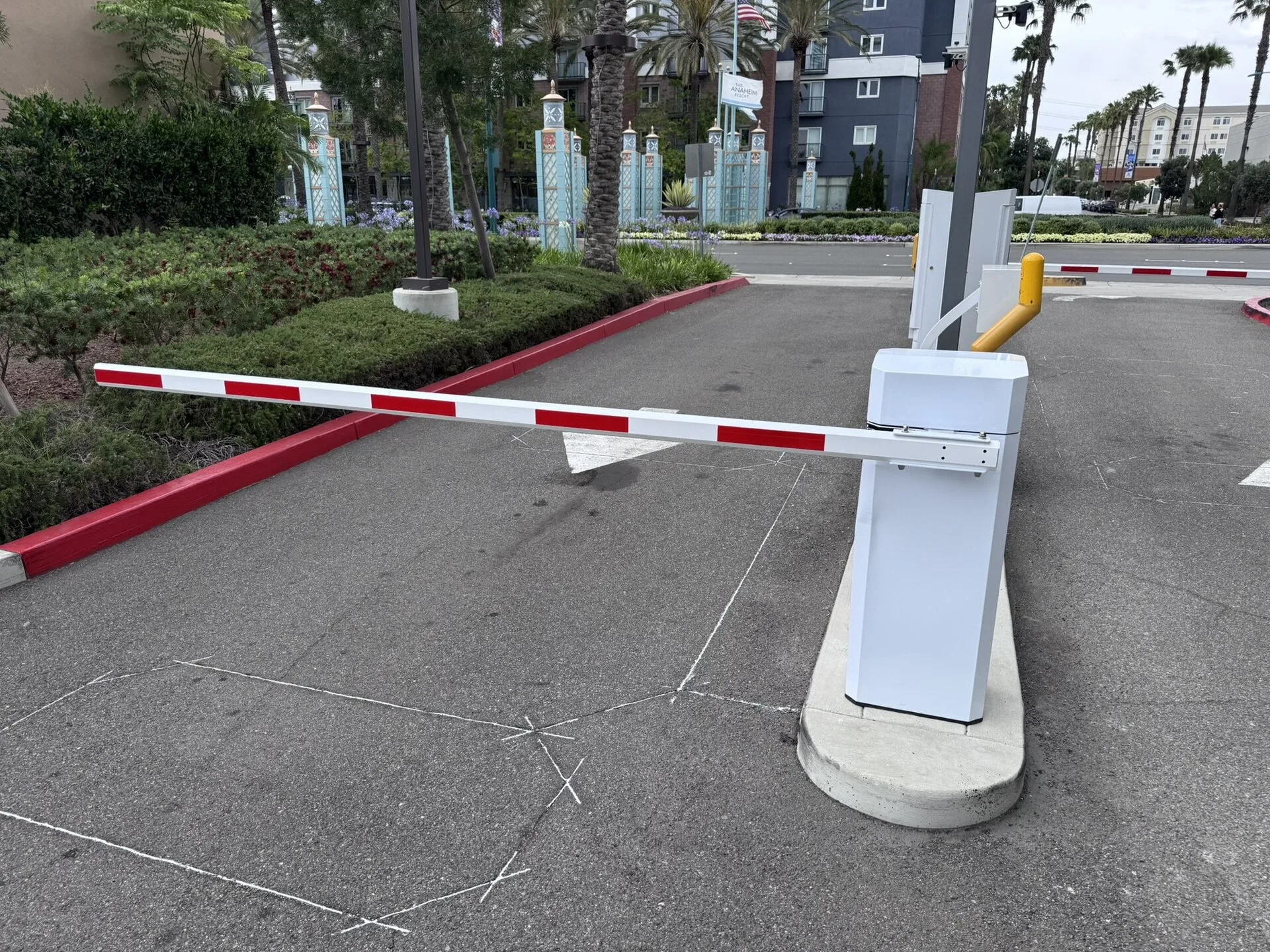
Cycle the gate fully every week and test the safety edge and photo eye deliberately. Confirm that behavior in a network outage and a power cut still matches what you wrote down at opening. The security audit checklist goes further on the access log.
In the office, check that every staff member still has an individual login and that no shared account has appeared. Count retail stock, and confirm keys, overlocks and cut locks are in the controlled place with a log.
Customer records, gate logs and payment credentials belong under a written information security program, of the kind the FTC describes in its Safeguards Rule guidance. Check the accessible parking, the approach route and the counter too.
Corridors and units, a section at a time
Walk the corridors after dark and record every dark stretch rather than remembering it. Look for trip hazards and unmarked level changes, confirm carts are where a customer will find them, and check camera coverage at the points you would want to review.
Keep fire access routes clear and hydrants unobstructed. Extinguishers covered by OSHA's portable fire extinguisher standard are visually inspected monthly, so the monthly corridor check is the natural place for it.
For units, rotate through one section at a time. Test doors with a real tenant lock and the facility overlock, confirm that roll-up doors lift and close smoothly through the full travel, and check spring tension. Do not skip the overlock test because it seems obvious.
Conditioned space and its contractor
A mechanical fault in conditioned space becomes a property claim when nobody sees it. Bring the system to setpoint, hold it, and record the result. Test the out-of-range alarm to confirm that it reaches a named person.
Check condensate drainage on each visit, since that is where a small fault turns into a claim. The maintenance schedule should be agreed with a contractor before the first fault, not after it.
Who performs each check
Whoever will live with the result. A manager who walked the site before opening notices a changed sound at the gate months later, and that early familiarity is worth more than a longer checklist.
Let the staffing model decide the rest. An attended site can give the weekly lines to the counter. A remotely managed site needs a visit schedule and a person who records what was done. Train that person with the staff training sign-offs.
Spares to restock
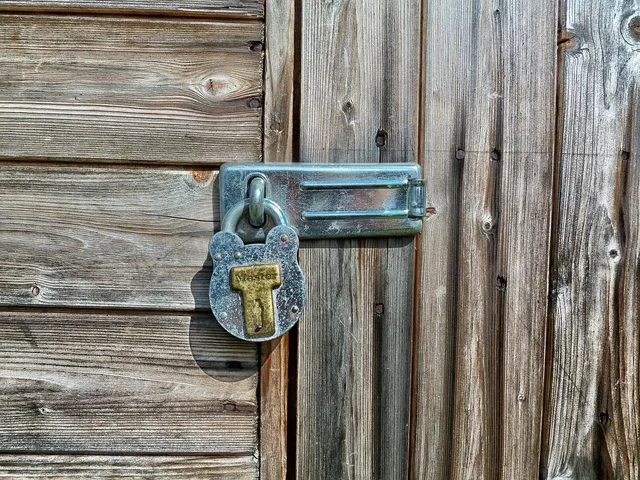
- Latches and hasps in the exact specification installed.
- Springs for the door sizes you have most of.
- A small number of complete doors in the two most common sizes.
- Overlocks, in more quantity than you think you need.
- Lamps or fittings matching what is installed, so a replacement does not change the light color in one corridor.
Count the spares at each monthly check and reorder before the shelf is empty. The reasoning behind the ranking, and the wider specification behind each item, sits in what the building needs installed.
What the record is for
Keep the completed walks. They support insurance discussions, they show a lender that the asset is being maintained, and they give you a baseline when you plan the next phase described in when to add more units.
Common questions
How often should the full walk be repeated?
Once a quarter is a reasonable starting rhythm for the physical items, with lighting and gate behavior checked more often because both degrade quietly. Adjust after the first year based on what you actually found.
Should the intervals ever change?
Yes. Shorten an interval where checks keep finding faults, and lengthen it only after a full year of clean results.
Who should keep the record?
The named owner of each check. A result without a date and a name is a memory, not a record.